
Recovery Resources & Blog

Expert insights, recovery tips, and the latest news from MN Recovery's clinical team in Eagan, Minnesota.

Latest Articles

Stay informed with expert insights on addiction recovery, mental health, and family support from MN Recovery's clinical team.

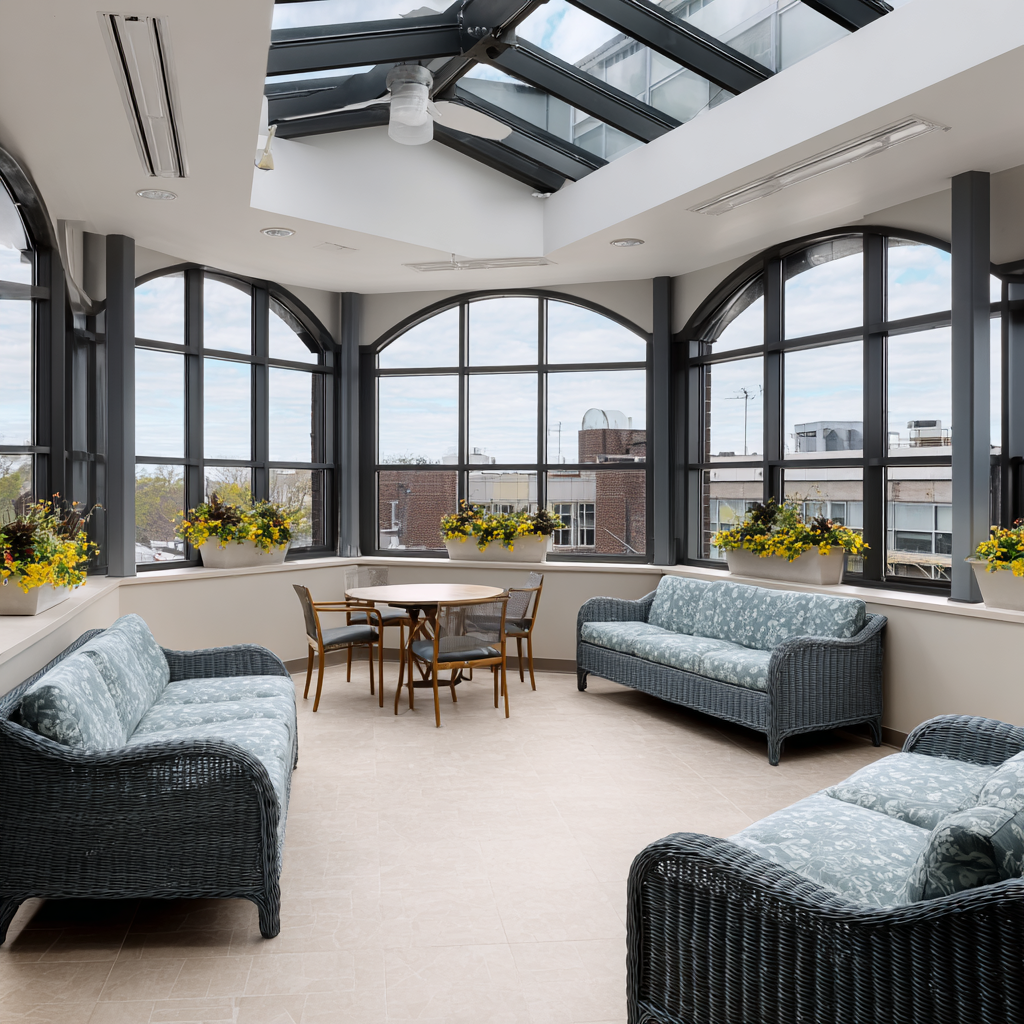
Early recovery counseling session at MN Recovery in Eagan, Minnesota
Recovery Tips

5 Tips for Early Recovery from MN Recovery Experts

The first weeks and months of recovery are both transformative and challenging. At MN Recovery, our clinical team draws on evidence-based therapies including Cognitive Behavioral Therapy (CBT) and Dialectical Behavior Therapy (DBT) to equip clients with practical tools for navigating this critical period.

By MN Recovery Clinical Team
Read Full Article

Early recovery is a time of profound change. Your brain is healing, your body is adjusting, and your emotions may feel overwhelming. At MN Recovery, our facility in Eagan provides a structured, supportive environment specifically designed to help you through these challenging first steps. Here are five evidence-based tips our clinical team recommends:

1. Build a Daily Routine. Structure is one of the most powerful tools in early recovery. At MN Recovery, our residential programs establish consistent daily schedules that include therapy sessions, meals, exercise, and rest. This predictability helps reduce anxiety and minimize the idle time that can lead to cravings.

2. Engage Fully in CBT and DBT. Cognitive Behavioral Therapy (CBT) helps you identify and reframe the negative thought patterns that fuel addictive behavior. Dialectical Behavior Therapy (DBT) builds emotional regulation skills, distress tolerance, and interpersonal effectiveness. Both therapies are cornerstones of our treatment approach at MN Recovery, and clients who actively participate in these sessions consistently report stronger recovery outcomes.

3. Practice Mindfulness Daily. Mindfulness meditation, deep breathing exercises, and body scan techniques can dramatically reduce stress and cravings. Our clinical team integrates mindfulness-based relapse prevention into treatment, teaching clients to observe cravings without acting on them.

4. Lean on Your Support Network. Recovery is not a solo journey. Whether it is fellow clients at MN Recovery, 12-step meetings, family members, or your therapist, maintaining strong connections with supportive people is essential. Our facility encourages group therapy and peer support to build these vital relationships.

5. Be Patient with Yourself. Healing takes time. There will be difficult days. The MN Recovery clinical team reminds every client that setbacks are not failures, they are opportunities to learn and grow stronger. Early recovery is a marathon, not a sprint, and every day of sobriety is a victory worth celebrating.

If you or a loved one is ready to begin the recovery journey, contact MN Recovery at (612) 484-4948 to learn about our treatment programs.

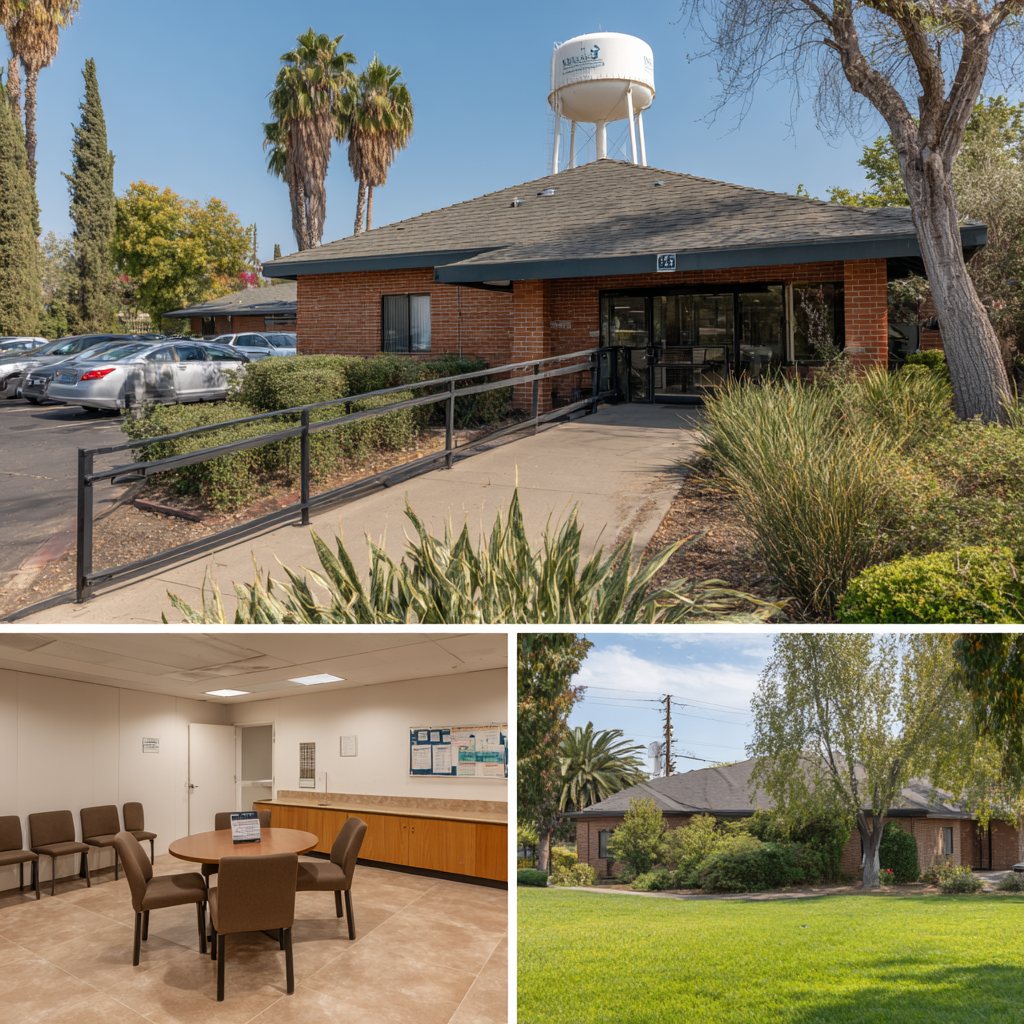
Family support counseling program at MN Recovery in Eagan, Minnesota
Family Support

How to Help a Loved One Struggling with Addiction in Minnesota

Watching someone you love battle addiction is one of the most heartbreaking experiences a family can face. Across Minnesota, thousands of families are grappling with the same painful questions: What do I say? How do I help without enabling? Where do I turn for support?

By MN Recovery Clinical Team
Read Full Article

Addiction affects not just the individual but the entire family system. In Minnesota, where substance use disorders touch communities from the Twin Cities to rural outstate areas, families often feel isolated in their struggle. The truth is, you are not alone, and there are effective ways to help your loved one while also protecting your own well-being.

Educate Yourself About Addiction. Understanding that addiction is a chronic medical condition, not a moral failing, changes the way you approach the conversation. The Minnesota Department of Health and organizations like the Hazelden Betty Ford Foundation offer excellent resources for families seeking to learn more. At MN Recovery, we also provide educational workshops as part of our family programs.

Set Healthy Boundaries. Loving someone with an addiction does not mean accepting harmful behavior. Boundaries are not punishments; they are acts of self-preservation and, ultimately, compassion. Our family counselors at MN Recovery help families define and maintain boundaries that support recovery without enabling addictive patterns.

Consider a Professional Intervention. If your loved one resists treatment, a professionally guided intervention can be transformative. MN Recovery's admissions team can connect you with certified interventionists in the Minnesota area who specialize in compassionate, solution-focused approaches.

Participate in Family Therapy. MN Recovery's family programs in Eagan include multi-family group therapy, individual family sessions, and educational seminars designed to rebuild trust, improve communication, and heal the relationships damaged by addiction. Research consistently shows that family involvement in treatment improves long-term recovery outcomes.

Take Care of Yourself. Caregiver burnout is real. Minnesota resources such as Al-Anon, Nar-Anon, and NAMI Minnesota offer support groups specifically for family members. MN Recovery encourages all families to seek their own support alongside their loved one's treatment.

To learn more about MN Recovery's family programs or to start the admissions process, call us at (612) 484-4948. Our compassionate team is available around the clock.

Dual diagnosis treatment session at MN Recovery in Eagan, Minnesota
Mental Health

Understanding Dual Diagnosis Treatment at MN Recovery

Many individuals struggling with substance use disorders also live with co-occurring mental health conditions such as depression, anxiety, PTSD, or bipolar disorder. At MN Recovery's Eagan facility, we specialize in dual diagnosis treatment that addresses both conditions simultaneously for lasting recovery.

By MN Recovery Clinical Team
Read Full Article

Dual diagnosis, also known as co-occurring disorders, refers to the simultaneous presence of a substance use disorder and a mental health condition. Research from the Substance Abuse and Mental Health Services Administration (SAMHSA) indicates that approximately half of individuals with a substance use disorder also experience a co-occurring mental health disorder. Despite how common this is, many treatment programs still address these conditions separately, which often leads to incomplete recovery and higher relapse rates.

Why Integrated Treatment Matters. At MN Recovery in Eagan, we take a fundamentally different approach. Our dual diagnosis program treats substance use and mental health conditions as interconnected aspects of a single clinical picture. When someone uses alcohol to cope with anxiety, or turns to opioids to numb the pain of PTSD, treating only the addiction without addressing the underlying mental health condition leaves the root cause untouched. True recovery requires healing both.

Our Approach to Co-Occurring Disorders. MN Recovery's Eagan facility employs a multidisciplinary team of psychiatrists, licensed therapists, addiction counselors, and psychiatric nurse practitioners who collaborate on each client's individualized treatment plan. Our dual diagnosis program includes comprehensive psychiatric evaluation, medication management when appropriate, individual therapy using CBT and trauma-informed approaches, group therapy sessions focused on emotional regulation, and holistic modalities such as art therapy, yoga, and mindfulness meditation.

Common Co-Occurring Disorders We Treat. Our team at MN Recovery has extensive experience treating co-occurring conditions including major depressive disorder and substance use, generalized anxiety disorder and alcohol dependence, post-traumatic stress disorder (PTSD) and opioid addiction, bipolar disorder and polysubstance use, and attention-deficit hyperactivity disorder (ADHD) and stimulant misuse.

The MN Recovery Difference. What sets our Eagan facility apart is the depth of clinical integration. From the moment a client enters our care, every aspect of their treatment, from medical detox through aftercare planning, accounts for both their addiction and their mental health needs. We do not treat these conditions in parallel; we treat them as one unified clinical challenge.

If you or someone you love is struggling with addiction and a co-occurring mental health condition, MN Recovery can help. Call our admissions team at (612) 484-4948 for a confidential assessment.

Winter wellness programs at MN Recovery campus in Eagan, Minnesota
News & Updates

MN Recovery Welcomes New Winter Recovery Programs

As winter settles across Minnesota, MN Recovery is proud to announce expanded seasonal programming at our Eagan campus. These new offerings are designed to support clients through the unique challenges that colder months bring to the recovery journey.

By MN Recovery Clinical Team
Read Full Article

Minnesota winters are beautiful but they can also be isolating. Shorter days, limited sunlight, and cold temperatures can exacerbate depression, seasonal affective disorder (SAD), and cravings. Recognizing these seasonal challenges, MN Recovery has developed a suite of new winter programs at our Eagan campus specifically designed to keep clients engaged, connected, and progressing in their recovery throughout the colder months.

Winter Wellness Workshop Series. Beginning this January, MN Recovery is hosting weekly wellness workshops covering topics such as managing seasonal depression, building winter exercise routines, nutrition for cold-weather wellness, and light therapy techniques. These workshops are available to current residential clients and outpatient program participants alike at our Eagan campus.

Expanded Holistic Therapy Options. Our Eagan facility has added new holistic programming for the winter season, including indoor guided meditation sessions, creative arts therapy with seasonal themes, warm-water aquatic therapy, and an expanded yoga schedule with morning and evening sessions. These offerings complement our clinical treatment modalities and provide healthy outlets for stress and emotional expression during the long Minnesota winter.

Community Connection Events. Isolation is one of the greatest threats to recovery during winter. To combat this, MN Recovery's Eagan campus is hosting monthly community connection events, including alumni gatherings, sober social activities, and family visitation days with special winter programming. These events help reinforce the support networks that are essential to long-term sobriety.

Enhanced Aftercare Support. We have also strengthened our winter aftercare programming with additional virtual check-in groups, telehealth therapy sessions for alumni who cannot travel easily in winter weather, and a new peer mentorship program that pairs recent graduates with long-term recovery mentors from the MN Recovery community.

Our Eagan campus remains fully operational year-round, providing the same high level of care regardless of the season. To learn more about our winter programs or to begin the admissions process, call (612) 484-4948. Recovery does not take a winter break, and neither do we.

Treatment facility amenities at MN Recovery in Eagan, Minnesota
Addiction Information

Signs of Opioid Addiction: What Eagan Families Should Know

The opioid crisis continues to devastate communities across Minnesota, and Eagan is no exception. Learn to recognize the warning signs and discover how MN Recovery can help your family find a path forward.

By MN Recovery Clinical Team
Read Full Article

Need Help Now?

Our admissions team at MN Recovery in Eagan, Minnesota, is available 24/7 to answer your questions and help you take the first step toward recovery.

Call (612) 484-4948
Or contact us online: Send a Message